Logos are powerful symbols — but they’re often asked to carry more than they can. This article explains the difference between a logo and a brand system, why logos feel disappointing without context, and how clear systems give visual identity real meaning.

May 7, 2026
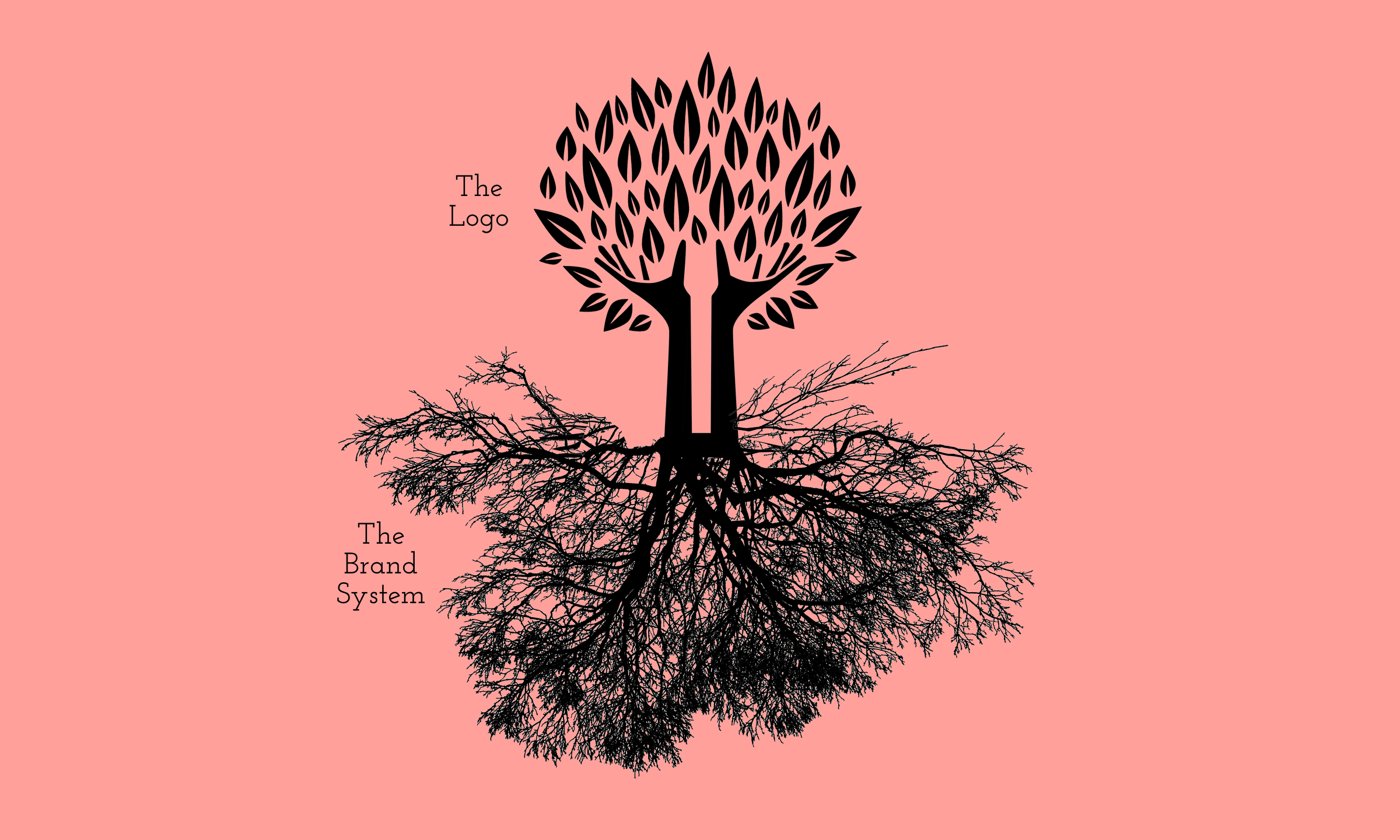
Logos tend to get asked to do a lot of work. They’re visible. They’re tangible. They feel like progress. For small teams especially, a new logo often becomes the stand-in for “having a brand.” When things feel unclear, inconsistent, or misaligned, it’s natural to look at the most visible element and assume it’s the source of the problem. That instinct is understandable — but it puts pressure on logos that they were never designed to carry.
Why Logos End Up Carrying So Much Weight
Logos are often the first brand element a team commits to. They show up everywhere. They’re easy to point to and easy to discuss. And because they’re public-facing, they can feel like the brand itself. When teams say, “The brand doesn’t feel right,” what they often mean is, “The logo doesn’t seem to be doing what we hoped it would.” That disappointment isn’t a design failure. It’s usually a signal that something larger hasn’t been made visible yet.
What a Logo Is Actually Good At
A logo is a symbol. At its best, it’s a piece of visual shorthand — a way for people to recognize you quickly and consistently.
Logos excel at:
*Recognition and recall
*Creating a visual anchor across channels
*Signaling continuity over time
Within a clear system, a logo can be powerful. It becomes a marker for meaning that already exists. But on its own, a logo doesn’t explain who you are, how you’re different, or how your team should show up in everyday work. That’s not a flaw. It’s simply not the logo’s job.
Why Logos Can’t Carry Strategy
Logos don’t answer the questions teams face most often. They don’t clarify positioning. They don’t resolve tone debates. They don’t help decide what to prioritize, what to say no to, or how to adapt language across contexts. When teams look to a logo for guidance on those things, frustration tends to follow. This is why logos sometimes get blamed for issues they didn’t create. The confusion lives upstream — in decisions that haven’t been made explicit yet.
What a Brand System Actually Is
A brand system is what gives a logo meaning. It’s the connected framework that includes purpose, positioning, audience clarity, messaging principles, and visual rules. Not as isolated components, but as a usable whole. A system exists to support real work. It helps teams write faster, make decisions with confidence, and stay aligned as more people contribute. It replaces guesswork with shared reference points. Most importantly, a brand system is designed to be used — not admired, not archived, and not explained repeatedly.
How Systems Support Everyday Work
When a brand system is clear, the work changes almost immediately. Writing becomes easier because the tone is settled. Visual decisions move faster because the rules are clear. New hires get oriented without needing everything translated. Teams stop revisiting the same conversations because the answers already exist. This is the difference between brand elements and brand infrastructure. One decorates the work. The other supports it.
Why Logos Feel Disappointing Without a System
When a logo exists without a supporting system, expectations quietly pile up. Teams hope the logo will create confidence, alignment, and momentum. When it doesn’t, something feels off — even if the design itself is solid. That disappointment is often misread as a design issue, when it’s really a systems issue. It’s easy to see why this feels frustrating. The logo is doing exactly what it was designed to do — it just can’t do everything on its own.
What Changes When the System Comes First
When the system is clarified first, logos are freed to do their real work. Design choices gain context. Visual identity starts to feel intentional instead of symbolic. The logo becomes a signal of shared meaning rather than a placeholder for it. In other words, the logo stops carrying pressure — and starts carrying clarity.
Symbols Work Best When Meaning Is Shared
Logos aren’t the problem. Isolation is. When brand systems are made visible and usable, logos fall naturally into place. They become part of a larger structure that helps teams move forward without friction. As with the rest of branding, the goal isn’t to add more. It’s to make what already exists work harder — and more easily — for the people using it every day.